Oxford Centre for
Hindu Studies Online
Oxford Centre for
Hindu Studies Online
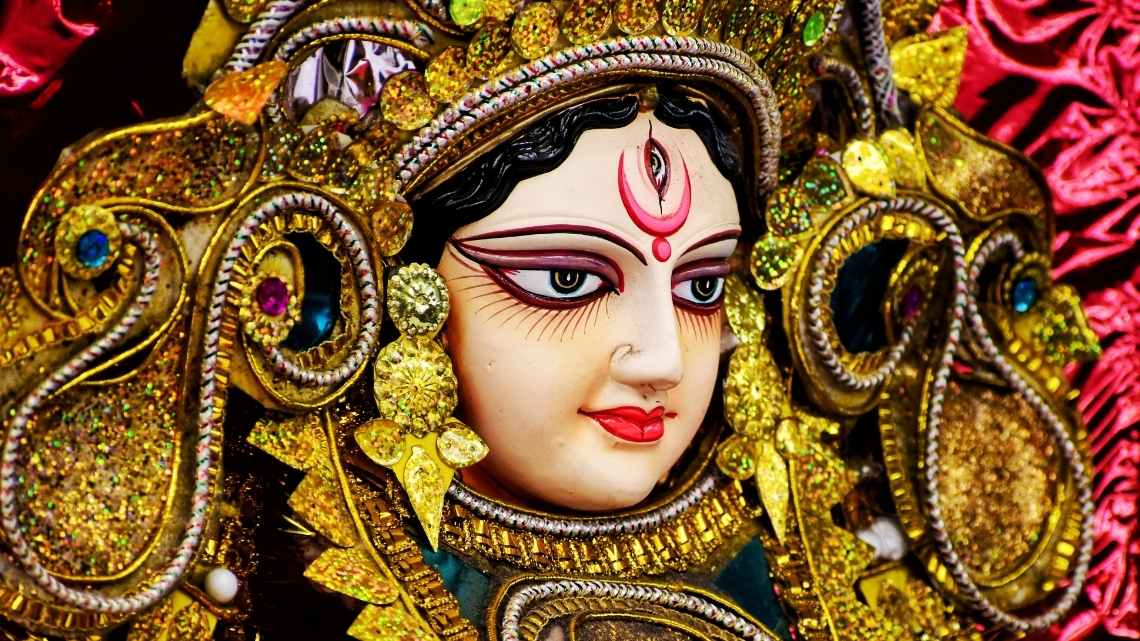
Join some of the world’s foremost scholars on Indian Goddess traditions as they present the many faces of the Hindu Goddess.
We will look at practice and text in India and the diaspora. You will discover issues of sacrifice, song, gender, compassion and wrath, poet-saints, and more.
[wpv-autop]
[types field=’timings’][/types]
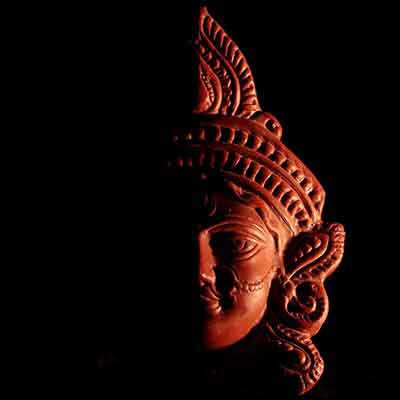
The Sarāhan Praśasti, a Sanskrit poem carved on a slab near the Candraśekhara temple in Himachal Pradesh, describes the foundation of the temple by a donor, Sātyaki. The poem praises Sātyaki’s wife Somaprabhā as the supreme goddess Śakti, for whom the temple appears to have been built in the first place. Here is an example in which ideas of the feminine divine, or cosmology, are directly connected to a real woman. We explore the extent to which material culture can allow us to navigate the gap between Śākta ideas of female agency and the lived experience of women in that period.
Tutor: Dr Bihani Sarkar
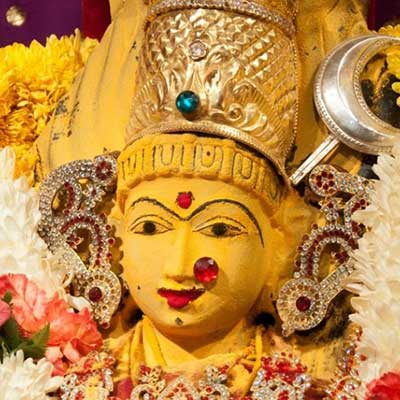
In this talk we explore a North American Hindu Goddess Temple, the Parashakthi Temple, in Pontiac, Michigan. Founded in 1999, the temple serves the Hindu goddess in her form as Karumariamman, ‘black Mariamman’, a South Indian village goddess. This talk highlights ways the Parashakthi Temple fashions a religiosity rooted in Indian goddess traditions but recreated for an American context. The Goddess and her temple in Pontiac reflect larger exchanges and transformations that occur in many contemporary lives.
Tutor: Dr Tracy Pintchman
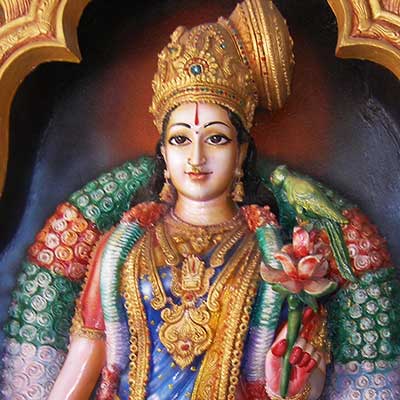
Two goddesses inseparable from Viṣṇu: one – Śrī-Lakṣmī – who is a supreme deity and another – Andal – who is simultaneously human and divine. Śrī-Lakṣmī is one of the best-known deities in Hinduism. Giver of worldly fortune, bestower of liberation from the cycle of life and death, conferring happiness on all she looks at, she is the embodiment of auspiciousness. Andal, a ninth-century woman poet-saint, wanted to marry only Ranganatha, the manifestation of Vishnu in the Srirangam temple. We find her icon in many South-Indian-style temples and her poems are recited regularly at home and public spaces. Although a historical figure, she is identified as a manifestation of Bhu-devi, the earth goddess, and sometimes as Nila Devi, another consort of Viṣṇu. Is Andal a human who ascended to be a goddess or a goddess who descended to be human?
Tutor: Dr Vasudha Narayanan
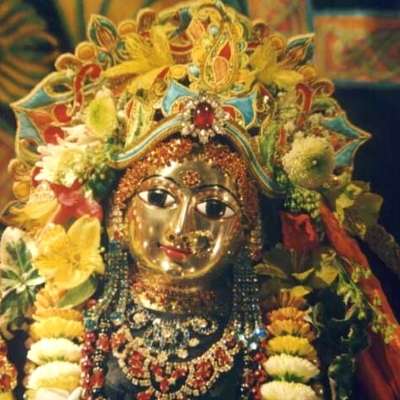
Is Rādhā a gopī or a goddess or both? We examine this question using passages from the Gītagovinda that describe Rādhā and her relationship with Krishna. Placing Rādhā within a larger context of Krishna-bhakti beginning with the Bhagavad-gītā and including the Bhāgavata Purāṇa, we will examine how devotees cultivate intimate relationships with Krishna, and we will thus contemplate the power of love to humanise and divinise simultaneously.
Tutor: Dr Tracy Coleman
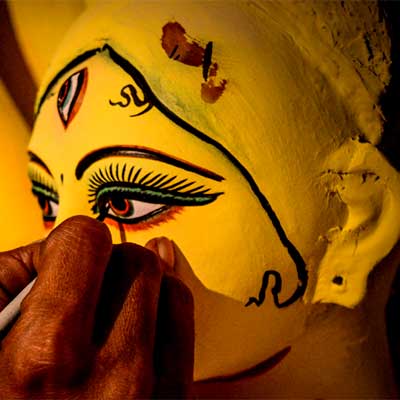
The Hindu Goddess enters the Brahminic fold via the Sanskrit narrative work Devī Māhātmya, the ‘Greatness of the Goddess’. How is the Goddess portrayed therein? The Devī Māhātmya features divergent faces of the Hindu Goddess – one of violent wrath and another of compassionate care. Preserving paradox as only narrative can, the Devī Māhātmya dispenses with neither face of the supreme Goddess. This presentation analyses one of the four hymns within the Devī Māhātmya – the Śakrādi Stuti, sung by Indra and the gods in thanksgiving after the Devī’s triumph over Mahiṣa in Episode II – to demonstrate the artful manner in which the text integrates the Devi’s divergent faces through its sophisticated structure.
Tutor: Dr Raj Balkaran
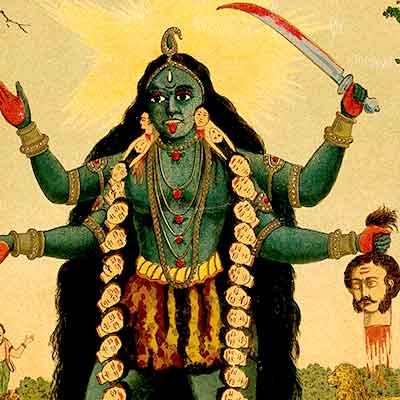
Feminine divinity in Hindu traditions has often been understood in terms of benevolence or malevolence. Wrathful, independent, and fiery characters are contrasted with compassionate and benign figures; mothers are put opposite warriors. But this dichotomy does not fully show the diversity of Hindu goddess worship. In this talk we will explore how both wrath and compassion are woven through narrative and ritual of the fierce Hindu goddess. From the supreme Goddess of the pan-India Devīmāhātmya, to the regional goddess Bhadrakāḷī, from text to practice, from the mother to warrior, and back.
Tutor: Noor van Brussel
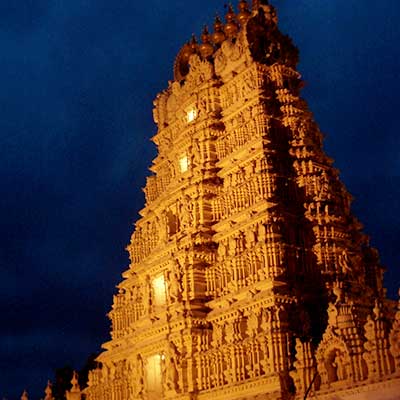
This talk examines the local Kannada folksongs that tell the story of Mysore’s goddess Cāmuṇḍi and her marriage to Nañjuṇḍēśvara, the local form of Śiva. In addition to discovering a local iteration of Goddess and Śaiva mythology, we see how these folksongs are embedded with local knowledge that relates the city’s and region’s mythological and urban histories. Additionally, these songs allow us to rethink the relationship between local and Pan-Indian traditions, rituals, and myth.
Tutor: Dr Caleb Simmons
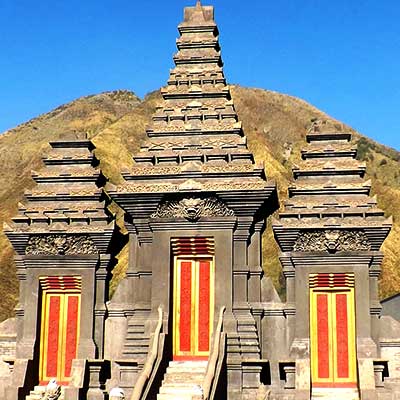
Although Indonesia is the world’s most populous Muslim country, worship of the Hindu goddess Durga endures in small pockets of the archipelago. This session will touch on three examples: Durga’s abode in the dangerous but empowering Krendawahana Forest in Central Java, the beliefs of the Tenggerese Hindu communities on the volcanic caldera of Mount Bromo in East Java, and Durga’s persona as the goddess of disease and death on the island of Bali. Besides revealing uncommon manifestations of Hindu goddess worship, this session examines the transformation of Durga’s persona, from a protective deity to a deadly one, as her cult migrated from Java to Bali.
Tutor: Dr Hillary Rodrigues
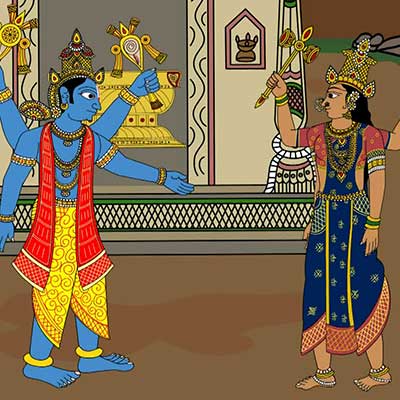
In this talk we see many of the key forms of the goddess, images of her in pottery and folk painting, and her presence in temples and local festivals. We will also look at goddesses in myths and texts and will conclude with a few images of her from India’s very early Indus Valley civilisation.
Tutor: Dr Brenda Beck
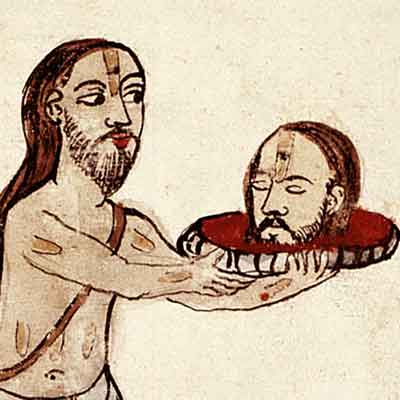
Blood sacrifice (bali) is characteristic of goddess traditions from the village level to Sanskrit texts. Rituals involving blood are often associated with Tantra, yet blood sacrifice is also part of a particular Śākta devotion (bhakti). We will explore the role and rationale of bali in selected texts of the Goddess, with particular attention to the so-called ‘blood chapter’ of the Kālikā-purāṇa.
Tutor: Dr Silje Lyngar Einarsen
[wpv-view name=”weekend-team” ids=”27190,27189,27188,27187,27186,27191,27192,27185,25644,31930″]
[/wpv-autop]
Course Tutor
[wpv-autop]
The Sarāhan Praśasti, a Sanskrit poem carved on a slab near the Candraśekhara temple in Himachal Pradesh, describes the foundation of the temple by a donor, Sātyaki. The poem praises Sātyaki’s wife Somaprabhā as the supreme goddess Śakti, for whom the temple appears to have been built in the first place. Here is an example in which ideas of the feminine divine, or cosmology, are directly connected to a real woman. We explore the extent to which material culture can allow us to navigate the gap between Śākta ideas of female agency and the lived experience of women in that period.
In this talk we explore a North American Hindu Goddess Temple, the Parashakthi Temple, in Pontiac, Michigan. Founded in 1999, the temple serves the Hindu goddess in her form as Karumariamman, ‘black Mariamman’, a South Indian village goddess. This talk highlights ways the Parashakthi Temple fashions a religiosity rooted in Indian goddess traditions but recreated for an American context. The Goddess and her temple in Pontiac reflect larger exchanges and transformations that occur in many contemporary lives.
Two goddesses inseparable from Viṣṇu: one – Śrī-Lakṣmī – who is a supreme deity and another – Andal – who is simultaneously human and divine. Śrī-Lakṣmī is one of the best-known deities in Hinduism. Giver of worldly fortune, bestower of liberation from the cycle of life and death, conferring happiness on all she looks at, she is the embodiment of auspiciousness. Andal, a ninth-century woman poet-saint, wanted to marry only Ranganatha, the manifestation of Vishnu in the Srirangam temple. We find her icon in many South-Indian-style temples and her poems are recited regularly at home and public spaces. Although a historical figure, she is identified as a manifestation of Bhu-devi, the earth goddess, and sometimes as Nila Devi, another consort of Viṣṇu. Is Andal a human who ascended to be a goddess or a goddess who descended to be human?
Is Rādhā a gopī or a goddess or both? We examine this question using passages from the Gītagovinda that describe Rādhā and her relationship with Krishna. Placing Rādhā within a larger context of Krishna-bhakti beginning with the Bhagavad-gītā and including the Bhāgavata Purāṇa, we will examine how devotees cultivate intimate relationships with Krishna, and we will thus contemplate the power of love to humanise and divinise simultaneously.
The Hindu Goddess enters the Brahminic fold via the Sanskrit narrative work Devī Māhātmya, the ‘Greatness of the Goddess’. How is the Goddess portrayed therein? The Devī Māhātmya features divergent faces of the Hindu Goddess – one of violent wrath and another of compassionate care. Preserving paradox as only narrative can, the Devī Māhātmya dispenses with neither face of the supreme Goddess. This presentation analyses one of the four hymns within the Devī Māhātmya – the Śakrādi Stuti, sung by Indra and the gods in thanksgiving after the Devī’s triumph over Mahiṣa in Episode II – to demonstrate the artful manner in which the text integrates the Devi’s divergent faces through its sophisticated structure.
Feminine divinity in Hindu traditions has often been understood in terms of benevolence or malevolence. Wrathful, independent, and fiery characters are contrasted with compassionate and benign figures; mothers are put opposite warriors. But this dichotomy does not fully show the diversity of Hindu goddess worship. In this talk we will explore how both wrath and compassion are woven through narrative and ritual of the fierce Hindu goddess. From the supreme Goddess of the pan-India Devīmāhātmya, to the regional goddess Bhadrakāḷī, from text to practice, from the mother to warrior, and back.
This talk examines the local Kannada folksongs that tell the story of Mysore’s goddess Cāmuṇḍi and her marriage to Nañjuṇḍēśvara, the local form of Śiva. In addition to discovering a local iteration of Goddess and Śaiva mythology, we see how these folksongs are embedded with local knowledge that relates the city’s and region’s mythological and urban histories. Additionally, these songs allow us to rethink the relationship between local and Pan-Indian traditions, rituals, and myth.
Although Indonesia is the world’s most populous Muslim country, worship of the Hindu goddess Durga endures in small pockets of the archipelago. This session will touch on three examples: Durga’s abode in the dangerous but empowering Krendawahana Forest in Central Java, the beliefs of the Tenggerese Hindu communities on the volcanic caldera of Mount Bromo in East Java, and Durga’s persona as the goddess of disease and death on the island of Bali. Besides revealing uncommon manifestations of Hindu goddess worship, this session examines the transformation of Durga’s persona, from a protective deity to a deadly one, as her cult migrated from Java to Bali.
In this talk we see many of the key forms of the goddess, images of her in pottery and folk painting, and her presence in temples and local festivals. We will also look at goddesses in myths and texts and will conclude with a few images of her from India’s very early Indus Valley civilisation.
Blood sacrifice (bali) is characteristic of goddess traditions from the village level to Sanskrit texts. Rituals involving blood are often associated with Tantra, yet blood sacrifice is also part of a particular Śākta devotion (bhakti). We will explore the role and rationale of bali in selected texts of the Goddess, with particular attention to the so-called ‘blood chapter’ of the Kālikā-purāṇa.
[wpv-view name=”weekend-team” ids=”27190,27189,27188,27187,27186,27191,27192,27185,25644,31930″]
[/wpv-autop]