What is dharma and what is its relevance to modern life? The universal order, the rising and setting of the sun and moon, and the passage of the seasons all fall under the broad heading (…)A Study of Dharma
Patañjali’s Yoga Sūtras is one of the best known, yet least understood texts on Yoga. Yoga Sūtras are accepted as the authoritative text on Yoga doctrine and practice and in this course you can comprehensively (…)Exploring the Yoga Sutras
Devotional music and chanting practices have been a crucial part of ancient Indian cultures and are still a vital part of Hindu culture today. Chant and music are interwoven throughout Hinduism, and are an indispensable (…)Hindu Devotional Music and Chant
This course provides a broad survey of Hinduism, covering its key texts, history, and philosophies. We created this course to give you an understanding of the nature and scope of Hindu texts and religious traditions. (…)Introduction to Hinduism: Texts, History, and Philosophy
Mahābhārata is an ancient Sanskrit epic story that has played a huge role in the formation of Hinduism as we know it today. It is truly a vast work that presents an amazing story with (…)Mahabharata: India’s Epic
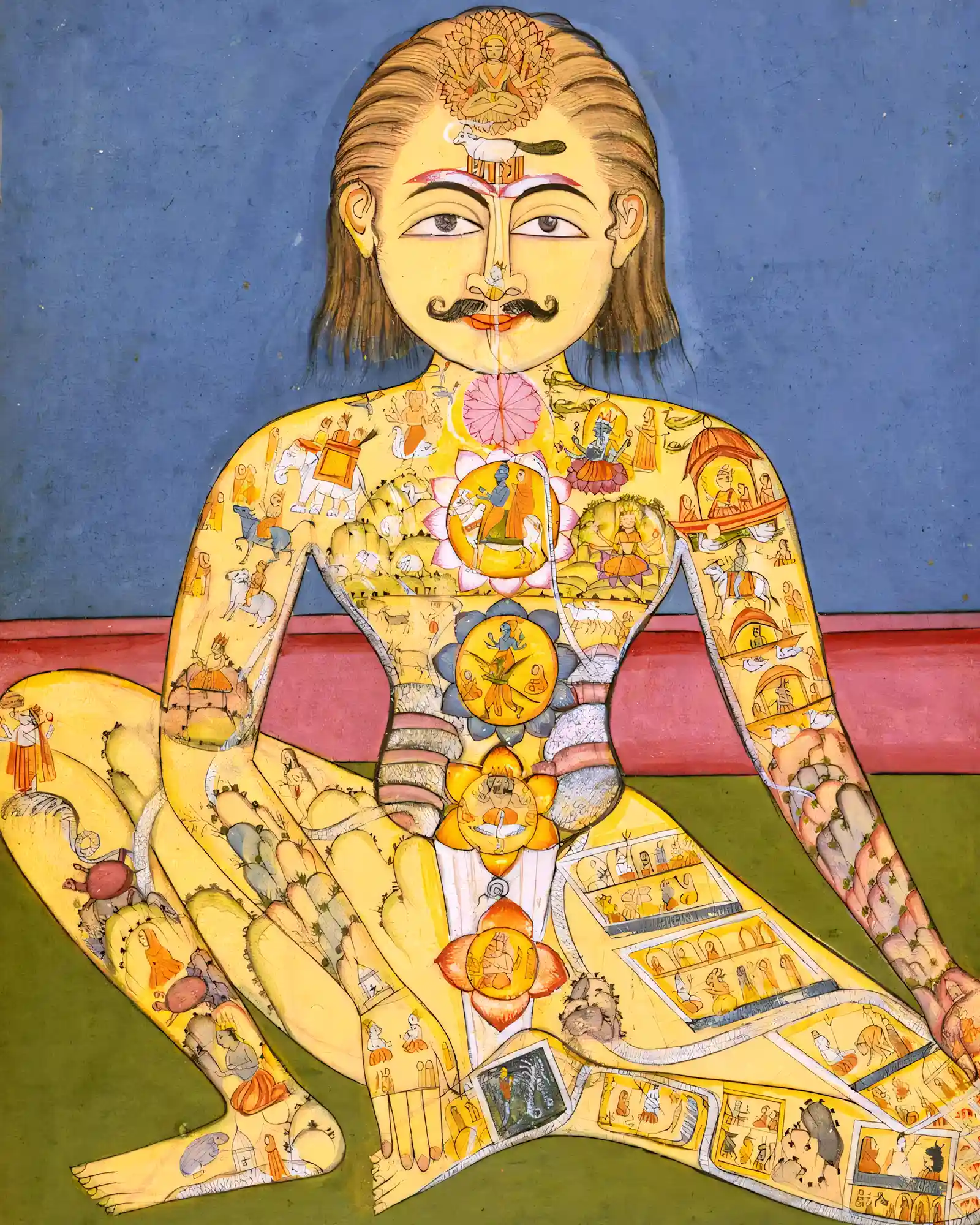
Yoga is a popular and well-known practice for millions around the world. It is a tool for meditation as much as exercise and well-being. Yoga has been practiced for at least 2500 years and over (…)Philosophy of Yoga
In Sanskrit Level 10, we will almost finish the book – Yogāvatāraṇam: The Translation of Yoga – studying chapters 19 and 20. Over the course of the 9 weeks, we will learn about both primary and (…)Sanskrit: Level 10
This course builds upon our Sanskrit: Level 1 course. We further develop our understanding through grammar and by chanting and translating verses from yoga-related texts. We will study chapters 3 and 4 of Yogāvatāraṇam: The Translation of (…)Sanskrit: Level 2
In Level 6 we will begin to look at compounds as well as the passive voice, and past passive participles. We will study Chapters 11 and 12 of Yogāvatāraṇam: The Translation of Yoga. Learning how (…)Sanskrit: Level 6
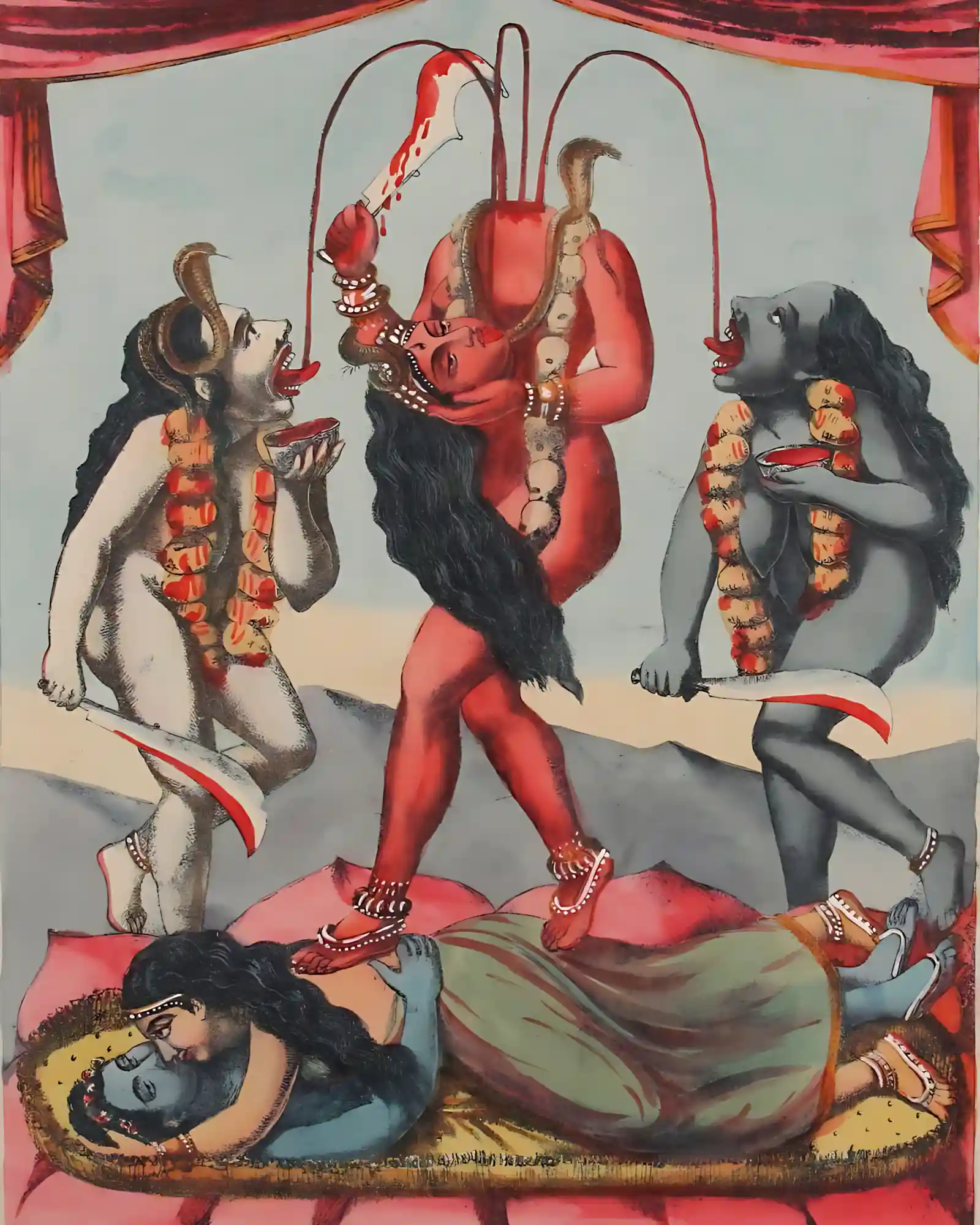
The Sanskrit word ‘tantra’ refers to texts regarded as revelation from God (Śiva at first) that arose in the early medieval period. This new religion spread quickly and attracted the patronage of kings, spreading to (…)Tantra: A New Understanding
How did an ascetic approach to renouncing the world become a globalised industry focused on postures? In this course we explore the development of modern forms of yoga, from traditional texts to contemporary practices. In (…)The Roots of Modern Yoga
This course introduces yoga as presented in the Haṭhapradīpikā – an influential 15th century text. Haṭhapradīpikā is one of the most popular and influential works on yoga. It presents a range of practices derived from (…)The Yoga of the Hathapradipika
In this course, we take a look at 3 of the most important, yet shortest, Upanishads. Guided by a specialist tutor, students will study the Kena, Ishavasya, and Mandukya Upanishads. Students will be encouraged to (…)Three Short Upanishads
In this course, we will cover two of the six Indian philosophical systems, Vedanta and Samkhya. In the course, we will include a close look at the life and teachings of Shankaracharya, the great teacher (…)Vedanta and Samkhya Philosophy
The Vedas and Upanishads are poignant and essential texts within Hindu culture and tradition. They provide an insight into the teachings of Hinduism and offer a comprehensive understanding of Hindu philosophy and ritual. This excellent (…)Vedas and Upanishads
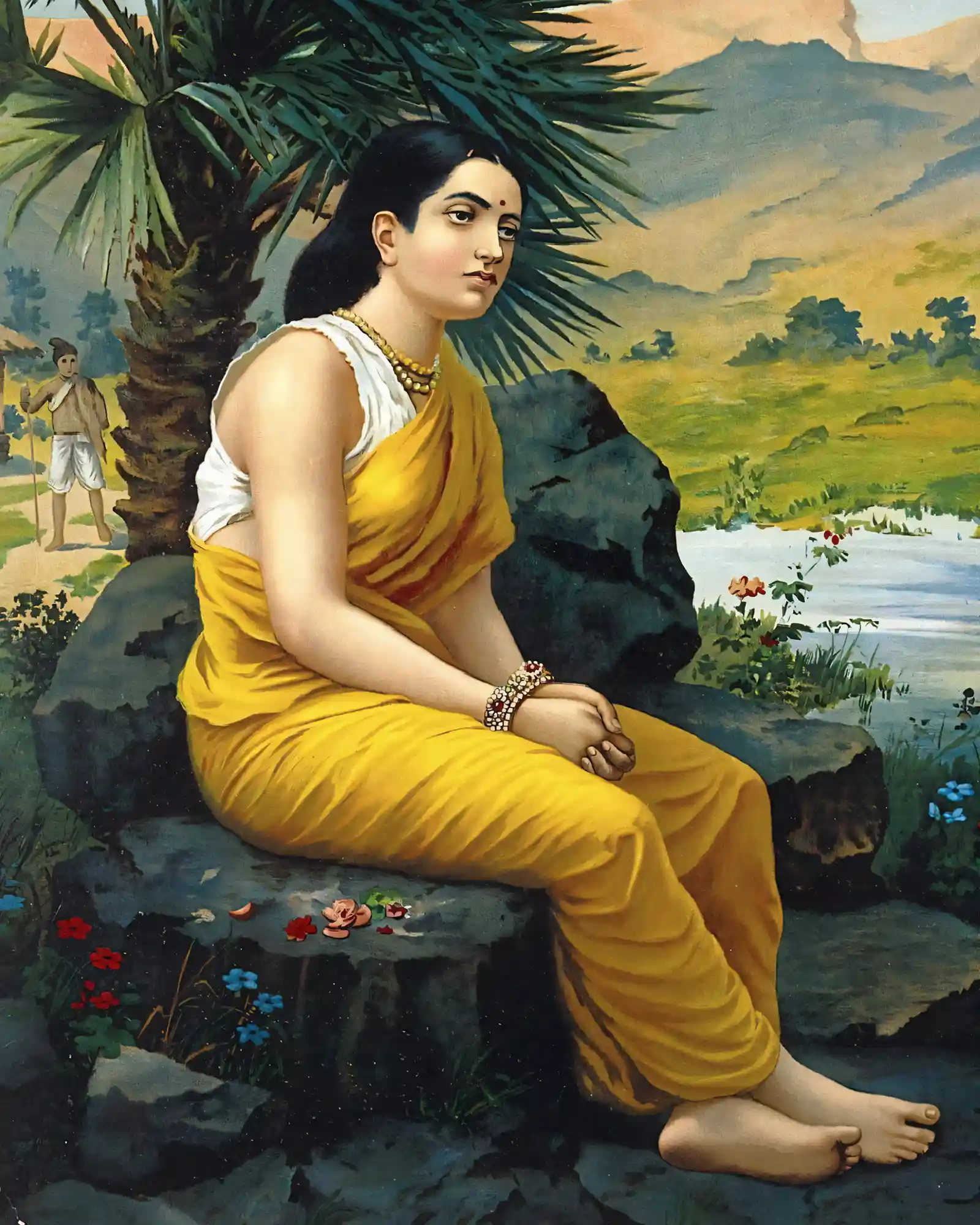
In this course, we mark the evolving conception of women in Hinduism, their religious roles, and their social status. We begin with the earliest stages of Hindu society and move to the present. This course (…)Women in the Hindu World
In this course we look at the “self”. What is a person? Or in a more Indian fashion “who am I?” (ko’ham). This question highlights what is distinctive about Hindu philosophy in contrast to others, (…)Hindu Philosophy: Understanding the Self
What do Hinduism and Yoga Philosophy have to say about ecology and the environment? Hinduism is full of big ideas. How do these big ideas relate to modern life? In this course by Prof. Christopher (…)Hinduism, Yoga, and the Environment
This course provides the ultimate introduction to Hinduism, from religious practice to temple ritual to classical yoga and its influence on Hindu culture. This course also includes a comprehensive look at Hindu society as well (…)Introduction to Hinduism: Ritual, Yoga, Caste, and Gender
In Sanskrit Level 10, we will almost finish the book – Yogāvatāraṇam: The Translation of Yoga – studying chapters 19 and 20. Over the course of the 9 weeks, we will learn about both primary and (…)Sanskrit: Level 10
In Sanskrit Level 11 we will build upon what we have learned in the previous 10 courses, continuing to develop understanding through learning grammar and chanting and translating verses from yoga-related texts. In this course, (…)Sanskrit: Level 11
This course builds upon our Level 1 and 2 Sanskrit courses. We will study chapters 5 and 6 of Yogāvatāraṇam: The Translation of Yoga, integrating traditional Indian and Western academic methods of learning for an (…)Sanskrit: Level 3
In Level 4 we will study chapters 7 and 8 of Yogāvatāraṇam: The Translation of Yoga. We will finish Part I, learning the future tense, pronouns, and more sandhi rules and then start Part II, (…)Sanskrit: Level 4
In Sanskrit Level 5 we will be learning more consonant ending nouns, the remaining athematic verbs, causative verbs and quotations with the particle इति. We will go deeper into Part II of “Yogāvatāraṇam: The Translation of Yoga,” covering (…)Sanskrit: Level 5
In Level 6 we will begin to look at compounds as well as the passive voice, and past passive participles. We will study Chapters 11 and 12 of Yogāvatāraṇam: The Translation of Yoga. Learning how (…)Sanskrit: Level 6
In Sanskrit Level 7 we will finish Part II of Yogāvatāraṇam: The Translation of Yoga, covering Chapters 13 and 14. We will learn the remaining types of compounds, possessive nouns, present participles, gerundives, and the (…)Sanskrit: Level 7
In Sanskrit Level 8, we will build upon what we’ve learned in the previous 7 Sanskrit courses and begin Part III of Yogāvatāraṇam: The Translation of Yoga, covering Chapters 15 and 16. We will learn (…)Sanskrit: Level 8
In Sanskrit Level 9, we will build upon what we’ve learned in the previous 8 Sanskrit courses, covering Chapters 17 and 18 of Yogāvatāraṇam: The Translation of Yoga. We will learn about secondary verbal roots, (…)Sanskrit: Level 9
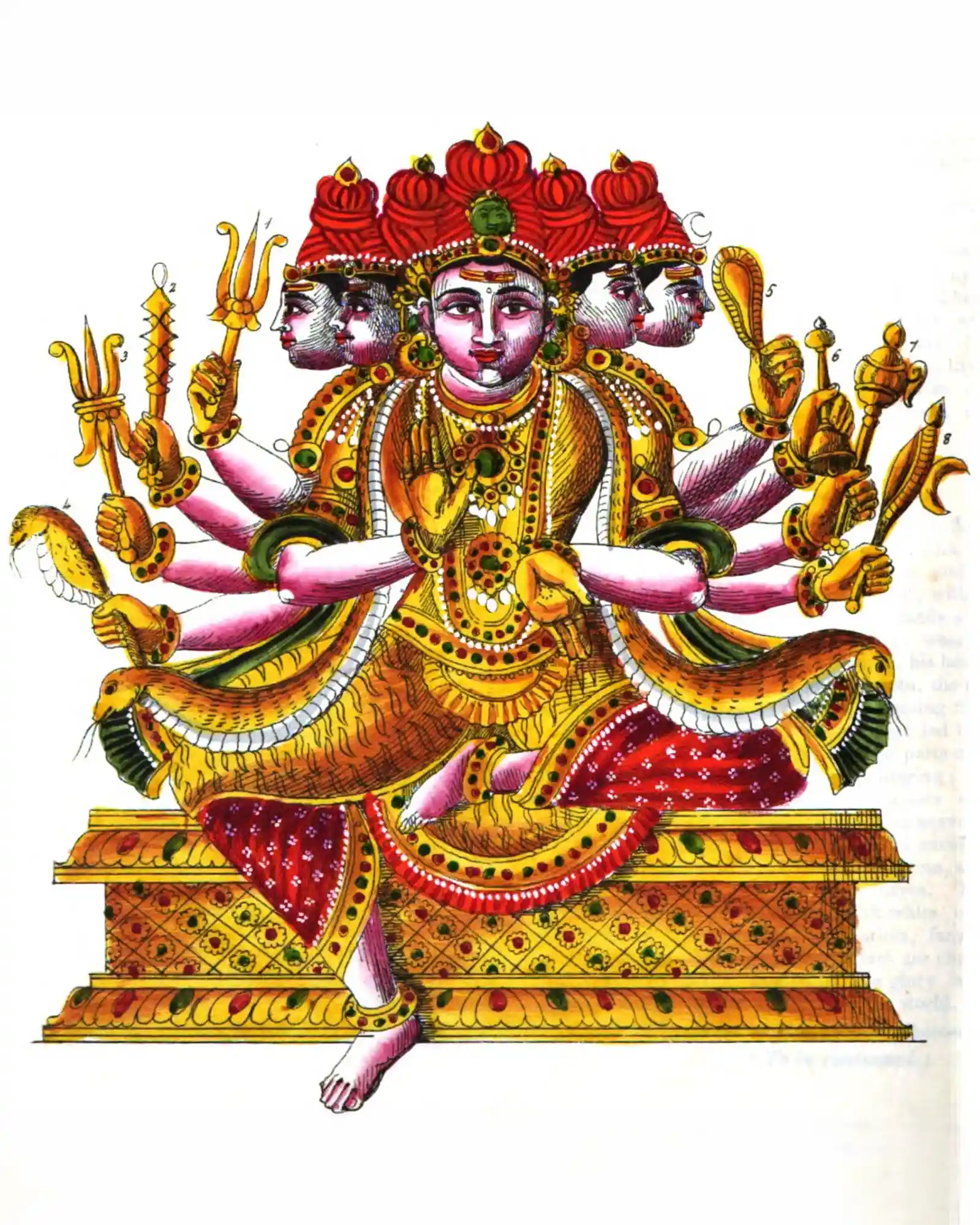
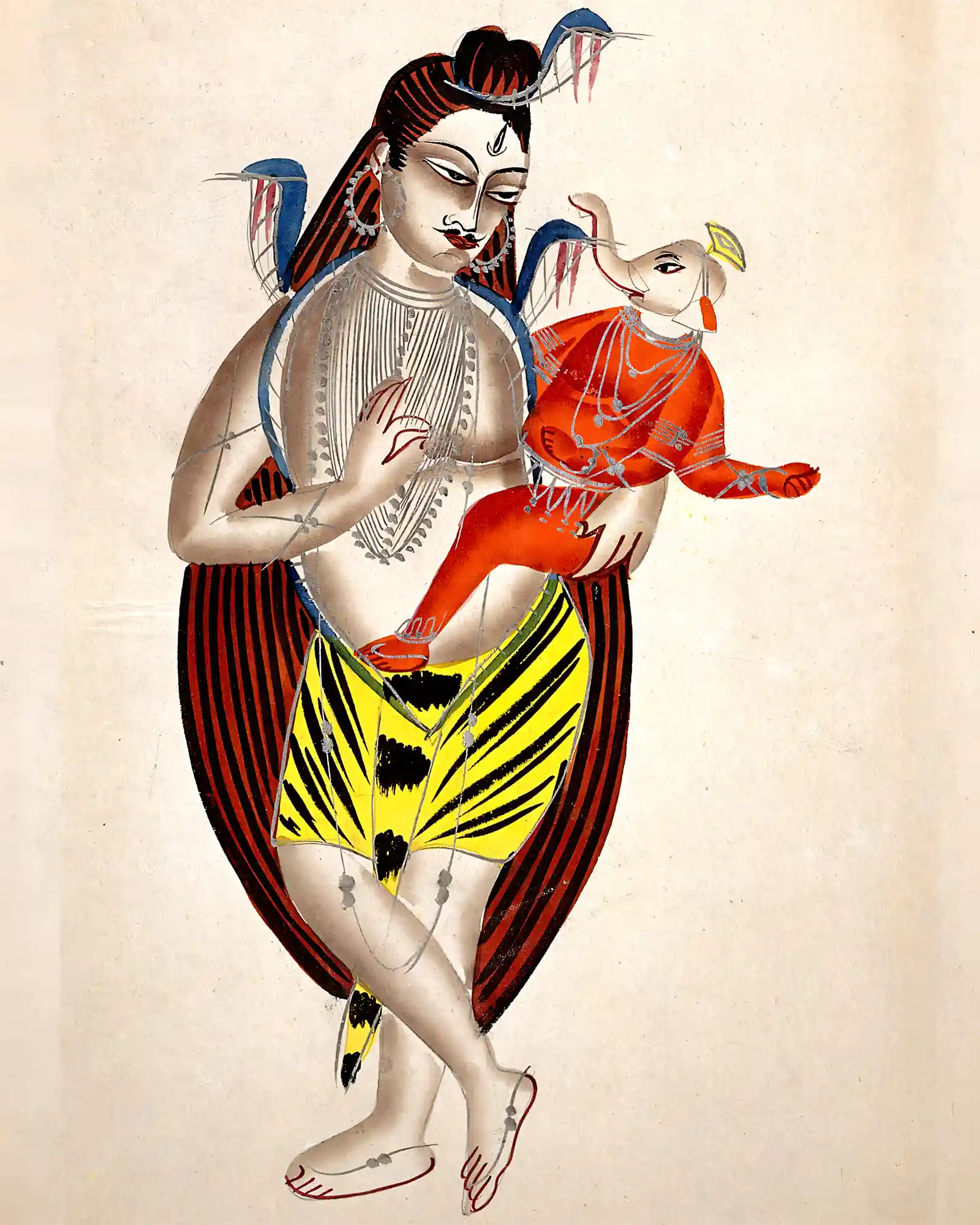
Shaivism is a major strand of Hinduism that celebrates Śiva, also known as Rudra, as the Supreme Being. If you are interested in Shaivism and the representation of Śiva within Hinduism, then this expertly curated (…)Shaivism