Oxford Centre for
Hindu Studies Online
Oxford Centre for
Hindu Studies Online
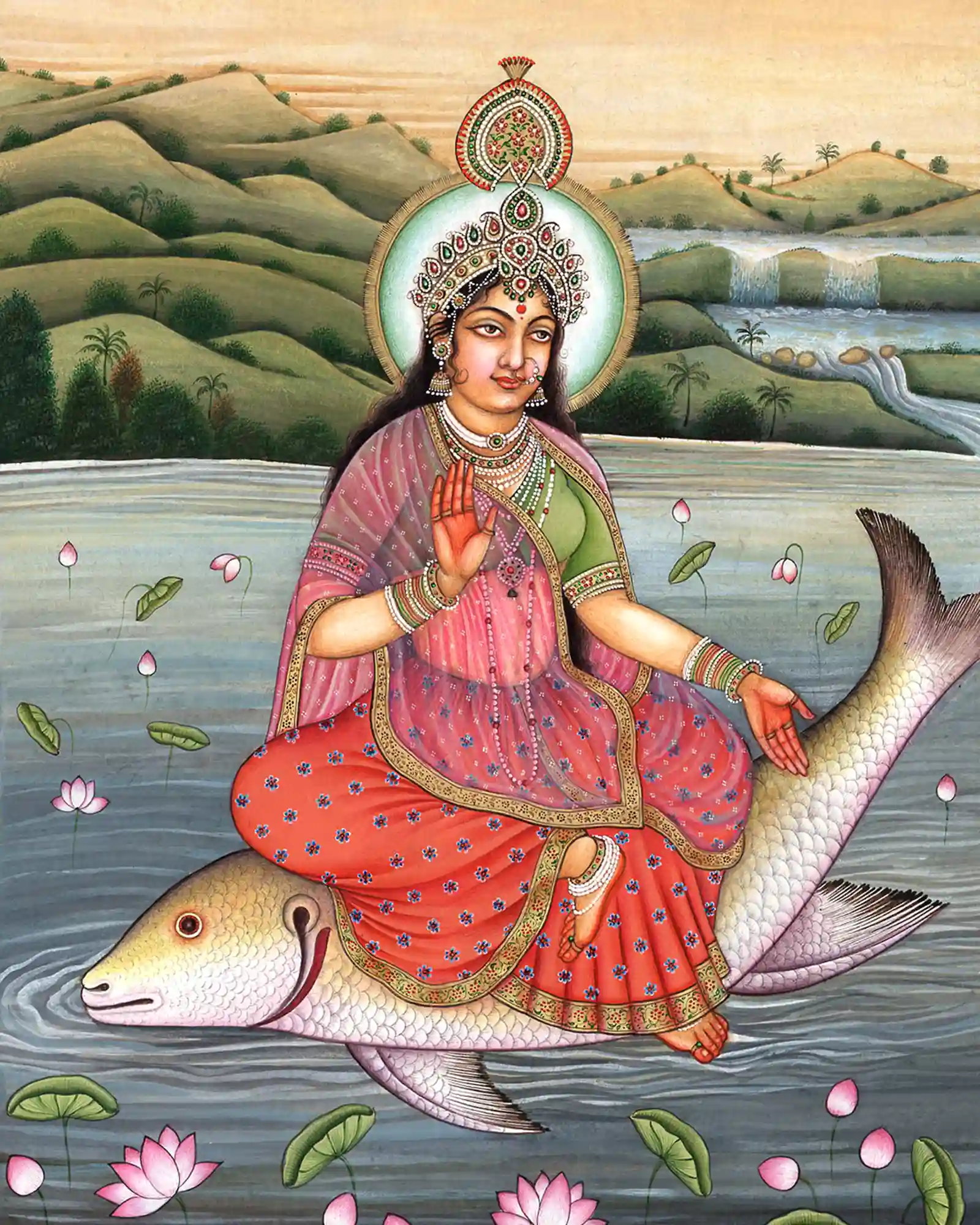
Vaishnavism, the worship of Vishnu and his avatars, is one of the largest of Hinduism’s traditions, and it has shaped Hindu thought, ritual, and devotion for more than two thousand years. This course traces that story from Vishnu’s earliest appearances in the Vedas to the global Vaishnava movements of today.
We follow the tradition’s growth through the Ramayana, the Mahabharata, and the Harivamsa, then into the Puranas and Pancaratra texts, before turning to the great teachers and movements of South and North India, from the Alvars and Sri Vaishnavas to the Madhvas and the devotional flowering of the Vraja region. Later sessions examine what sets Vaishnava practice apart, including initiation, meditation, kirtana, and diet. Throughout, the traditions speak for themselves through their own texts.
The course was created by Dr Måns Broo and runs over seven sessions, with 4 hours 45 minutes of video lectures, a 201-page coursebook, and invitations to three general-interest Zoom sessions. You may also be interested in our course on Shaivism, or explore more courses in Hindu Traditions.
In this session, we look at how Vishnu is addressed and described in the Vedas, the oldest textual sources for Hinduism. While we may not find much about Vaishnavism as a social entity or a distinct practice here, we do find much intriguing information on Vishnu, much of which will be developed in later texts.
From the Vedas we move on to the epics (itihasa): The Ramayana, the Mahabharata, and its appendix, the Harivamsa. In these texts, we witness an almost explosive growth of material on Vishnu and his avatars.
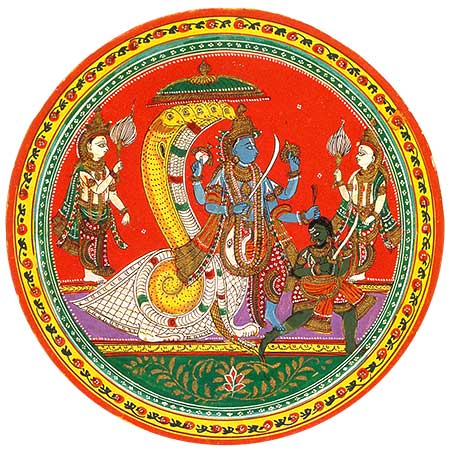
In this session, we take a closer look at how Vaishnavism is conceptualised in the Purana and Pancaratra texts, texts important particularly for the ways in which the social and ritual sides of Vaishnavism is developed in them. We also look at the oldest archaeological traces of Vaishnavism.
From texts, we now move to looking at individual Vaishnava teachers and the movements that they founded. We begin in the South, looking at the Alvars, Sri Vaishnavas, Vaikhanasas, and Madhvas. We also look at Shankara and his importance for all Vaishnava Vedantins.
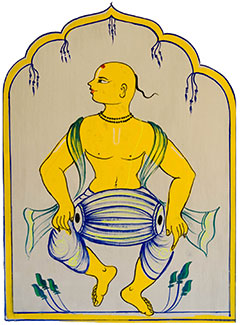 Session Five: Vaishnavism in North India
In this session, we begin in northwest India, then moving east and west again according to a rough historical chronology. A particular focus in given to the developments in the Vraja area, as they impact many of the movements traced here.
Here, we will look at what differentiates Vaishnavas from other Hindus. Topics covered include initiation, meditation, kirtana, and diet.
In our final session, we examine how the Vaishnava traditions we encountered in previous sessions fare today. We will also learn about completely new developments. We will encounter both continuities and innovations and see something of the richness these traditions retain in the modern world.