Oxford Centre for
Hindu Studies Online
Oxford Centre for
Hindu Studies Online
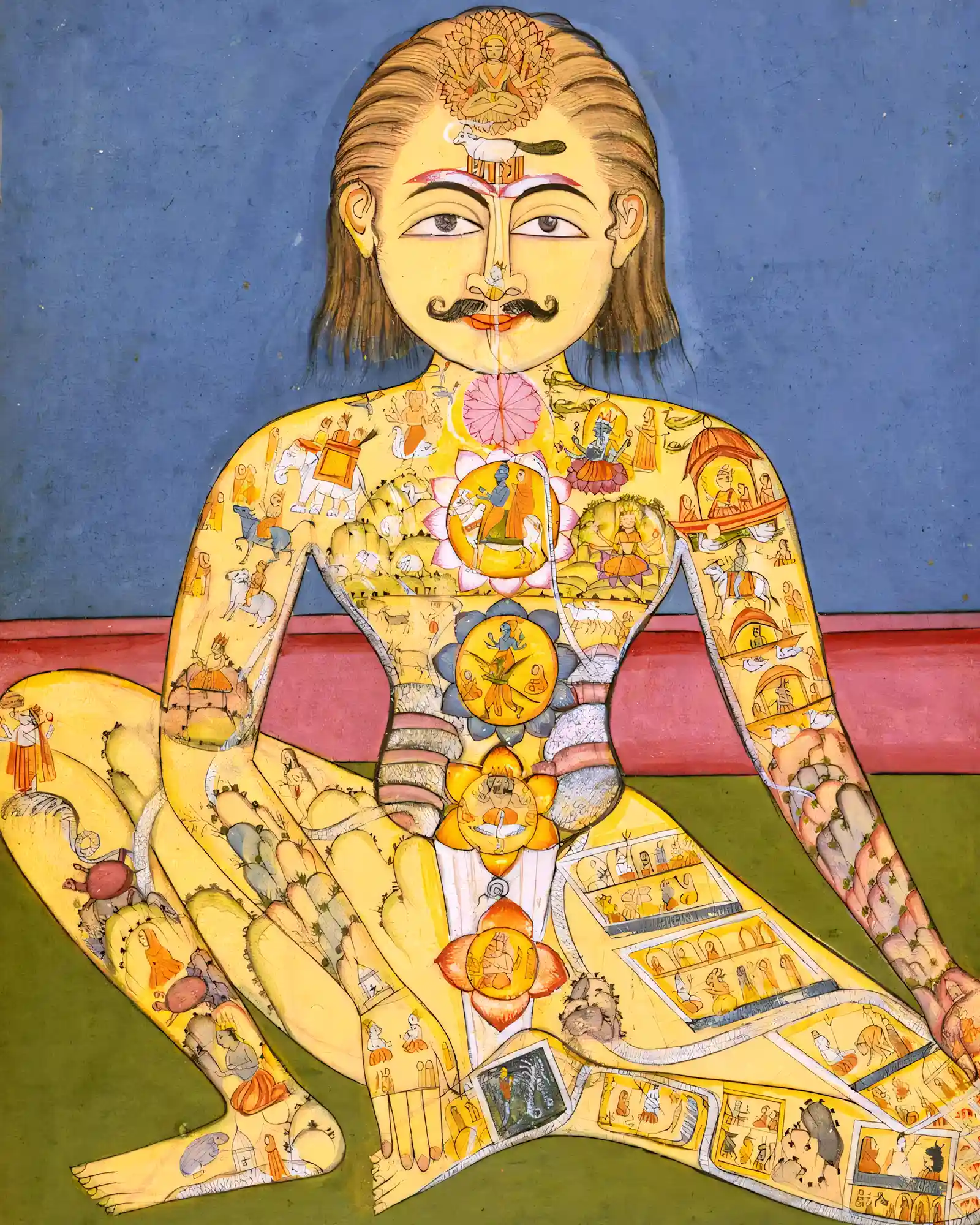
The Hathapradipika, compiled in the fifteenth century, is the classic manual of Hatha Yoga: the text that gathered the earlier practices into a single system and shaped almost everything taught as yoga since.
In this course we read it chapter by chapter, covering asana, pranayama, the mudras and the subtle body, and finally samadhi and the goal of practice, setting the text in its tantric and Nath tradition background throughout.
The course runs over seven weeks, created and tutored by Gitte Poulsen, with over five and a half hours of video lectures released weekly, 70 pages of course notes, and an essay for a Completion Certificate. For how these practices became modern postural yoga, see The Evolution of Modern Yoga.
We start with a look at the historical context for the Haṭhapradīpikā. We learn what the text says about Hatha Yoga and yogis.
Key concepts: Shaivism, Shaktism, Vaishnavism, Early and classical Hatha Yoga. (Siddhas and Munis)
In this session we examine the foundations of Hatha Yoga in the Hathapradipika. We establish the influence of the early gurus of the Nath Sampradaya. We then look at the tantric background for the Hathapradipika and the Nath Sampradaya. We answer the questions: What is yoga? Who were the practitioners of Hatha Yoga?
Key concepts: Nath Sampradaya and the Siddhas, layayoga, mantrayoga, Hatha Yoga, Raja Yoga, right and left hand tantra.
In the first chapter Svatmarama describes the general rules and lifestyle of a yogi along with various asanas and their benefits.
Key concepts: Asana, yama, niyama.
In this chapter Svatmarama focuses on pranayama and the effects of correct practice of pranayama.
Key concepts: prana, kumbhaka, yogic physiology, karmans, bandhas.
The third chapter investigates the yogic physiology on a deeper level and is highly focused on esoteric techniques for awakening the kundalini.
Key concepts: kundalini, cakra, mudra, nadayoga, bindu, rasa.
This session will focus on the mental aspects of yoga, and the goal of yoga as presented in the Hathapradipika.
Key concepts: samadhi, dhyana, moksha, Raja Yoga, layayoga.
We conclude with a broad description of yoga practice in the Hathapradipika. We also see how this relates to modern yoga – both living traditional haṭhayoga and ‘modern’ Hatha Yoga.

Course Tutor
Gitte has a Masters in Religious Studies from Aarhus University, Denmark but has completed most of her studies in Varanasi, India, and as a visiting student at the Oxford Centre for Hindu Studies. Gitte’s focus is on Yoga, Tantra, and Sanskrit. She is also a dedicated practitioner of āsana and prāṇāyāma. She manages the OCHS Kathmandu Office where she oversees the daily operation and focuses on Nepali and Newari language as well as Śākta traditions among the Newar community of The Kathmandu Valley.