Oxford Centre for
Hindu Studies Online
Oxford Centre for
Hindu Studies Online
We publish accessible, authoritative books on Hindu texts, traditions, and culture — written by the same scholars who teach our online courses. Each book began life as course materials, refined through years of teaching.
If a book captures your interest, the course it came from goes deeper.
Published in partnership with Mandala Publishing and distributed worldwide by Simon & Schuster. Each title is a self-contained introduction — and each has a companion course taught by OCHS tutors.
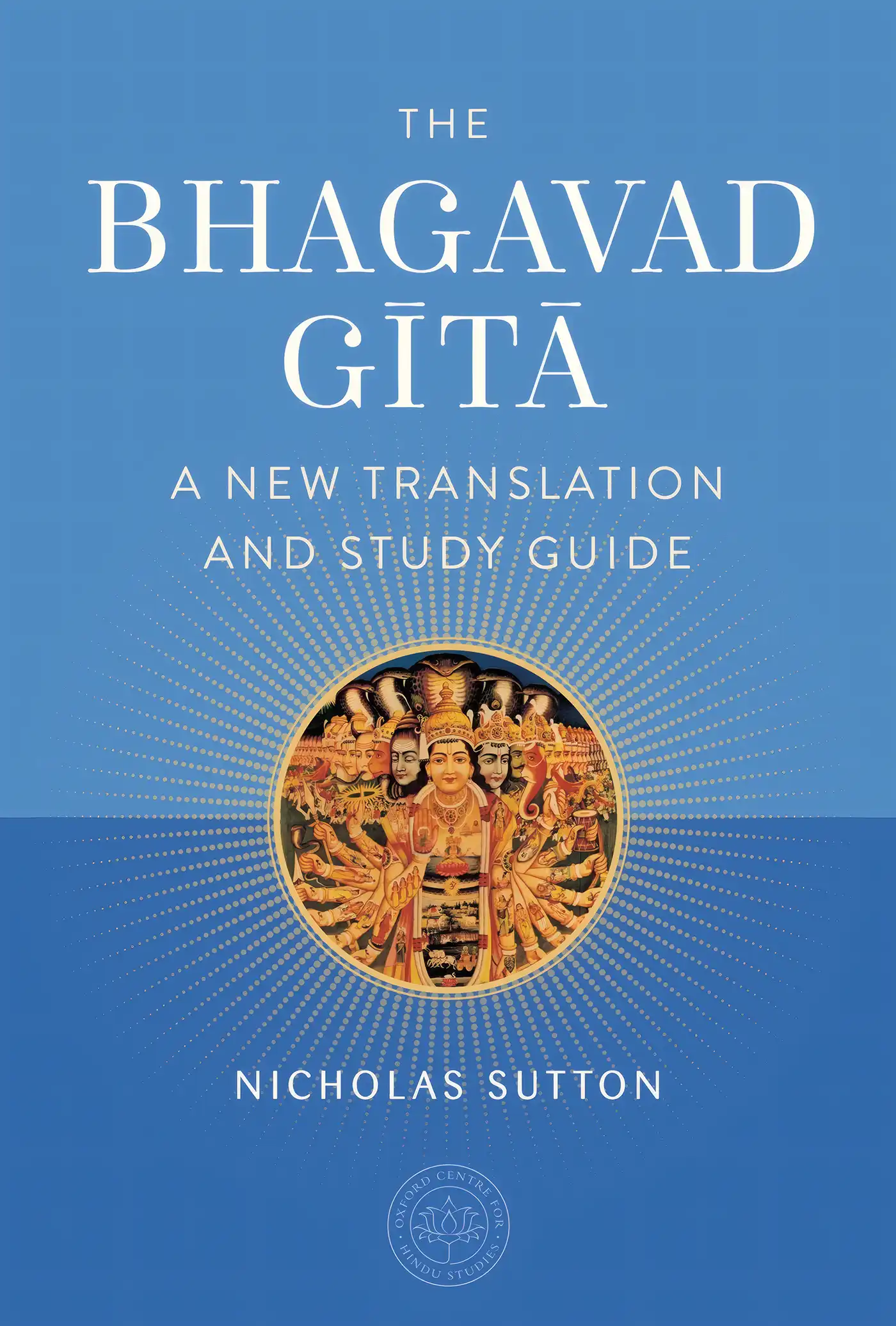
A dialogue between a warrior and his divine charioteer on the eve of battle, and one of Hinduism’s central texts on action, devotion, and liberation. Nicholas Sutton works through it chapter by chapter, drawing on the three great traditional commentaries and unpacking the Sanskrit as he goes.
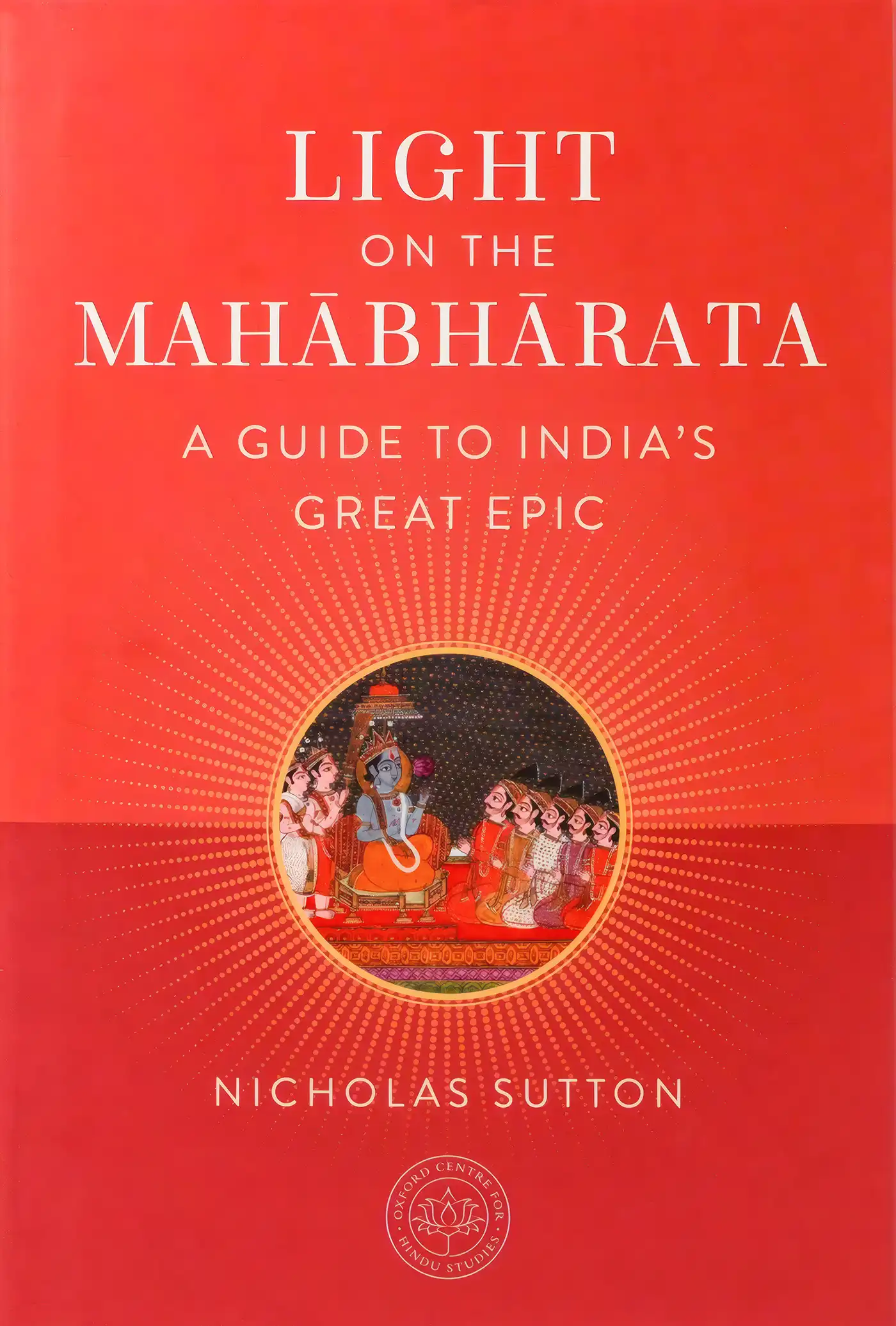
A war between two branches of one royal family, and wrapped around it, a vast enquiry into how to live. Nicholas Sutton draws out why the epic’s characters act as they do, what vision of life drives them, and whether they can put wisdom above self-interest.
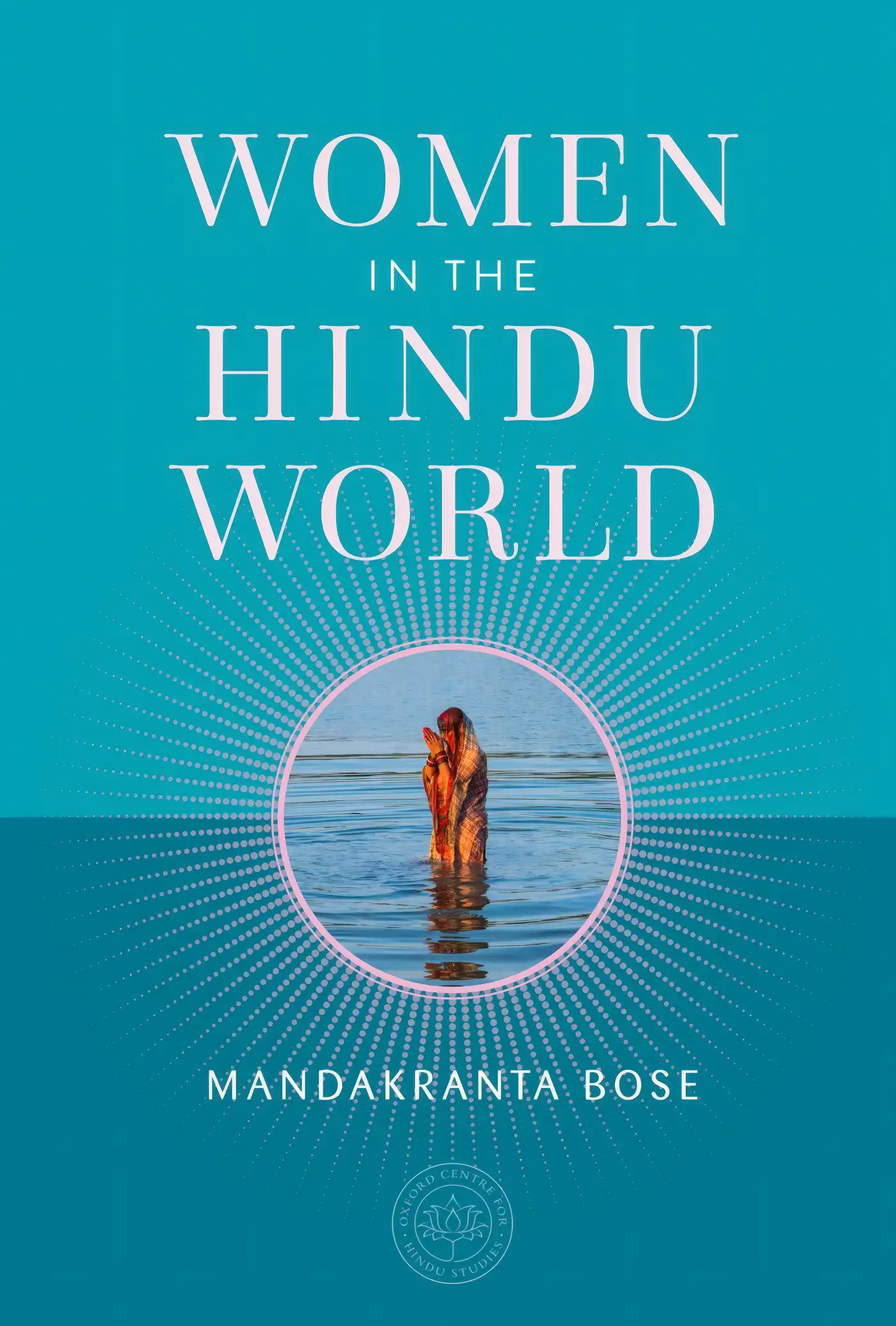
From the goddesses of the earliest texts to the lived experience of Hindu women today. An authoritative survey of women’s roles, voices, and agency across the Hindu world. Mandakranta Bose traces how Hindu women have found in their faith the resources to claim a self, at home and in public life.
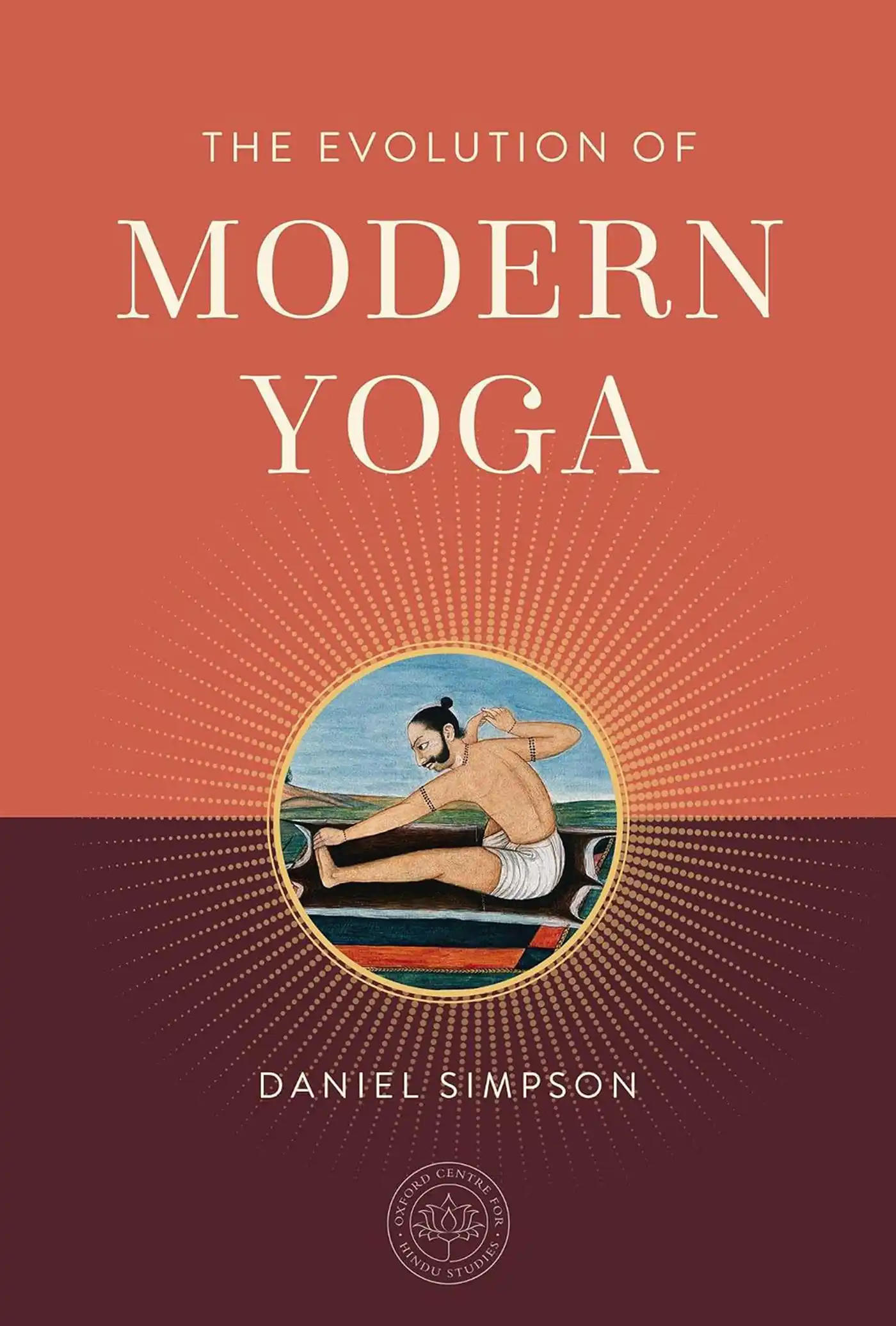
Two thousand years ago the goal of yoga was to sit like a stone; today it’s a global wellness industry. Daniel Simpson traces how that happened — the shifting aims, techniques, and influential teachers that made modern yoga — separating what’s ancient from what’s new.
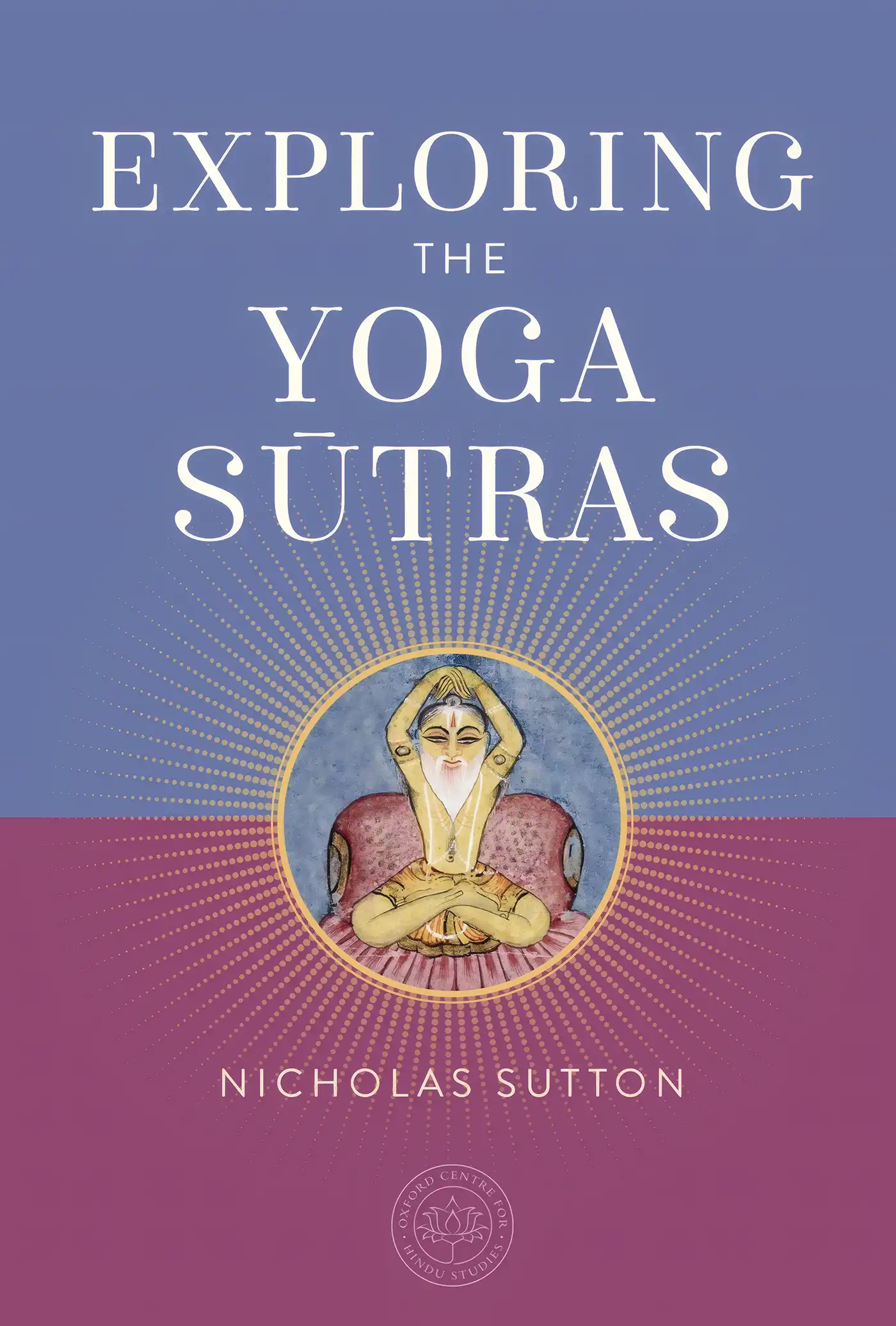
Patanjali’s text is as concerned with philosophy as with practice. Nicholas Sutton takes it sutra by sutra, in a new translation with the traditional commentaries alongside. No grounding in Indian philosophy assumed: this is where the ideas behind the practice become clear.
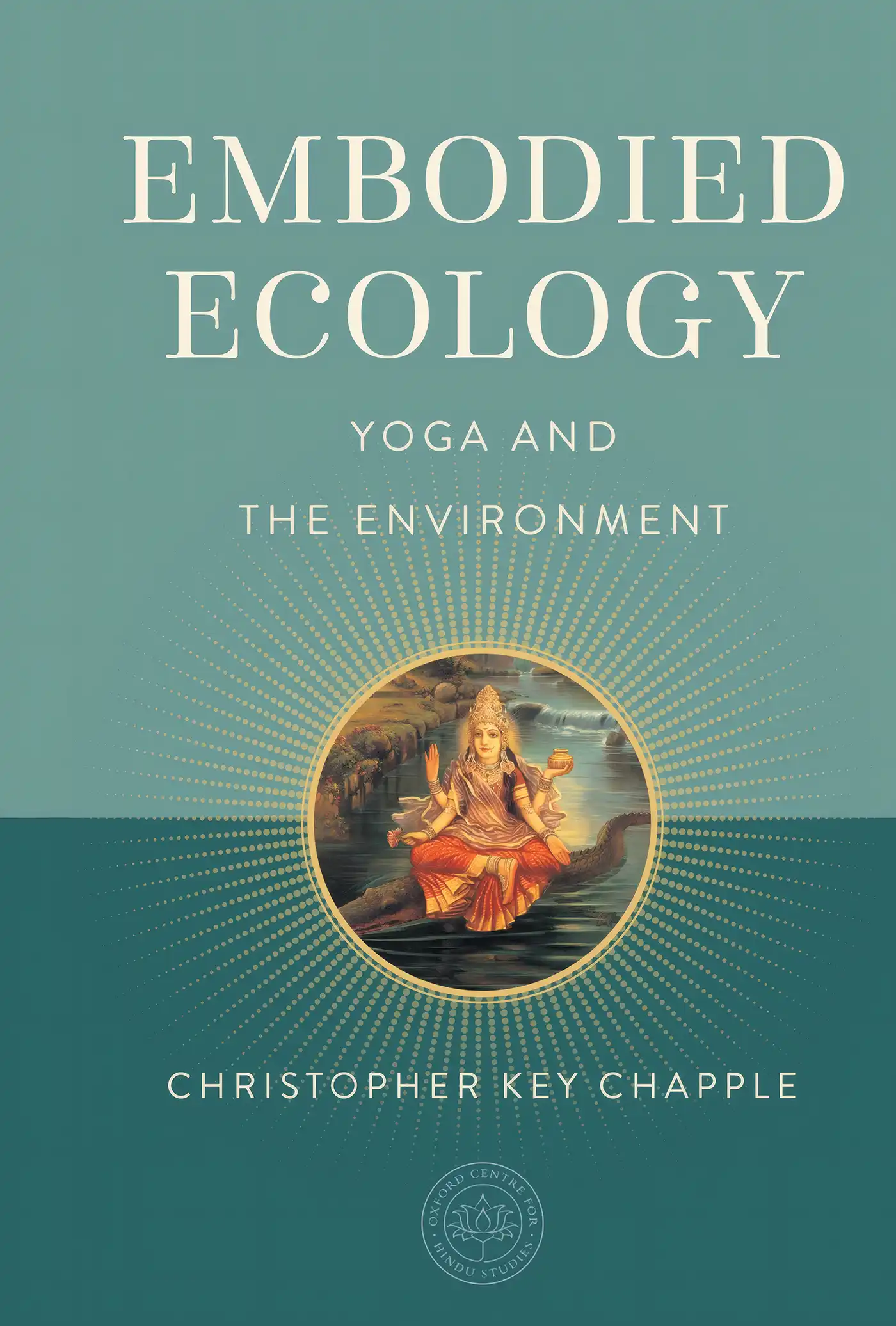
Plastic waste, species loss, climate chaos — and a set of traditions that have thought hard about the body, consumption, and our place in the living world. Christopher Key Chapple draws on the Vedas, the ethics of Yoga, and Gandhi’s critique of consumption to ask what they offer now.
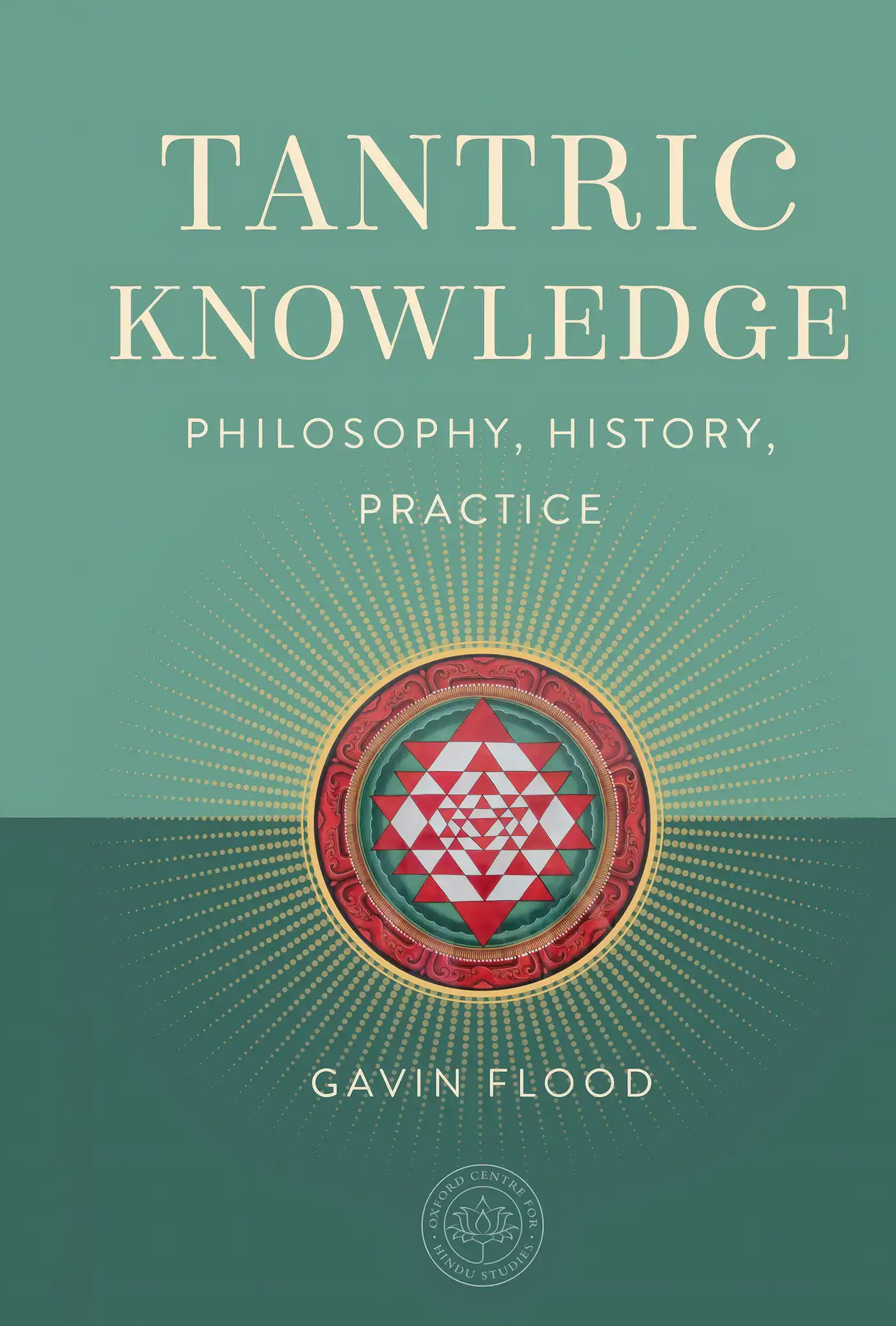
Tantra is popularly associated with sex and sensational magic — both only tenuously connected to the real thing. Gavin Flood introduces the actual traditions: their origins, their links to Hinduism and Buddhism, and their claims about the universe and our place in it.
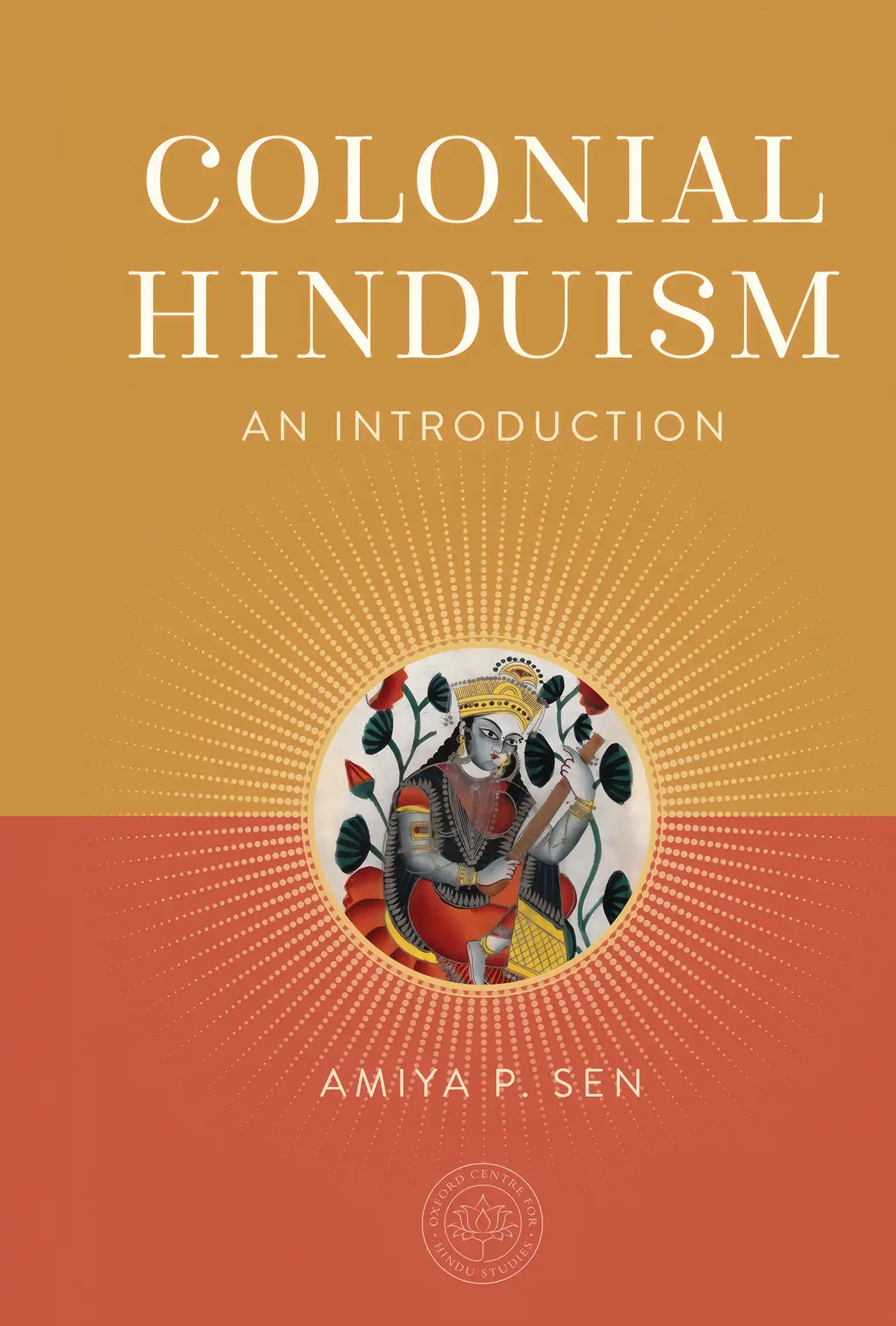
The colonial encounter produced a new Hindu self-understanding that was ready to criticise India’s own perceived superstitions while rejecting the materialism of the West. Amiya P. Sen traces how that consciousness became a nationalism whose consequences India is still working through.
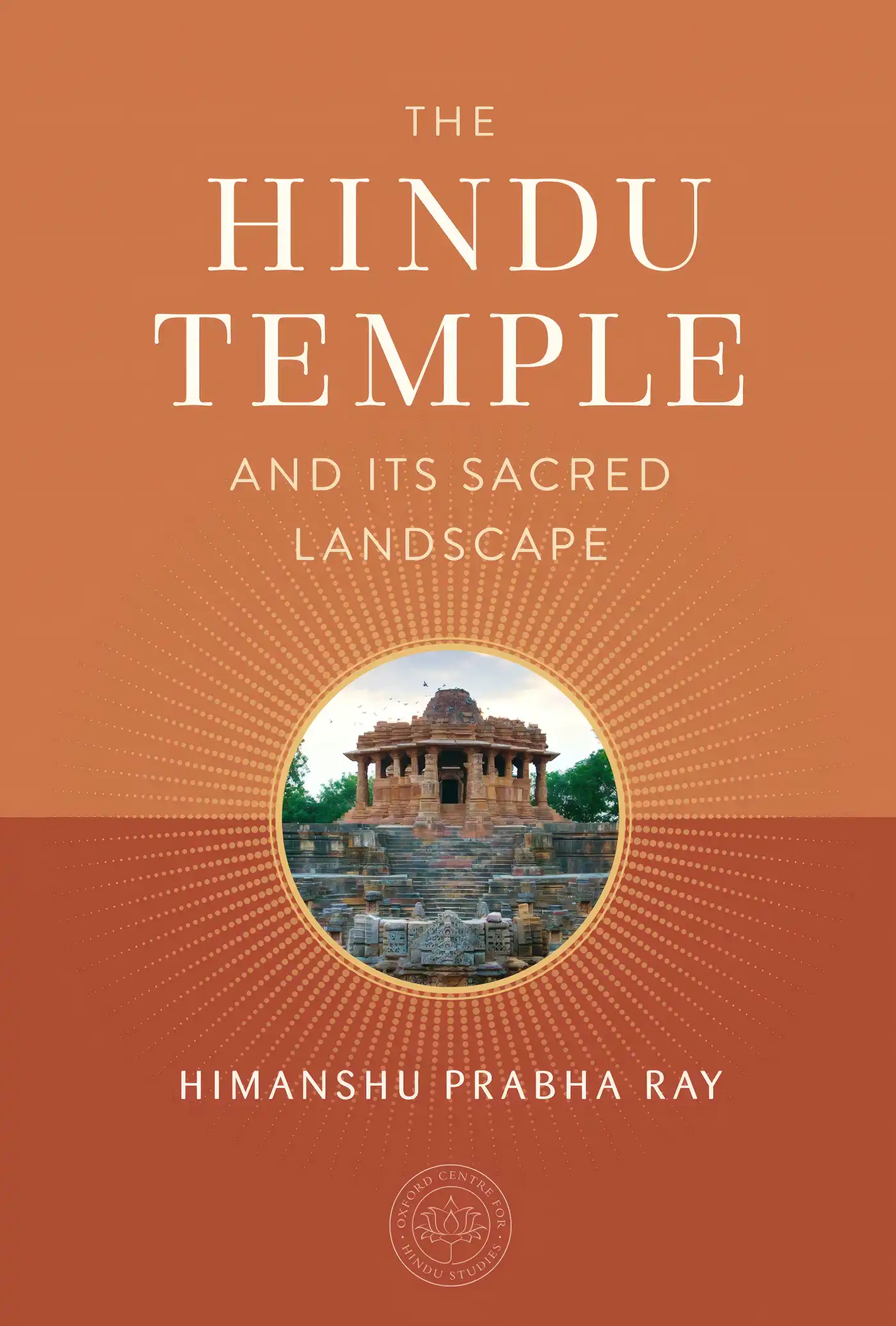
A temple is not a building but an institution, established, maintained, and kept alive by the community around it. Himanshu Prabha Ray reads temples through texts, archaeology, and anthropology to show how Hinduism has actually been practised, and how notions of sacredness shifted over time.
Hindu Studies Press is the Centre's own imprint. Its flagship project is Dr Nick Sutton's translation of the Moksa-dharma: the vast philosophical heart of the Mahabharata's Shanti-parvan, and one of the richest and least-read repositories of Hindu thought on liberation, ethics, and the nature of the self. An accessible complete English translation, with Sanskrit text, facing translation, and explanatory notes.
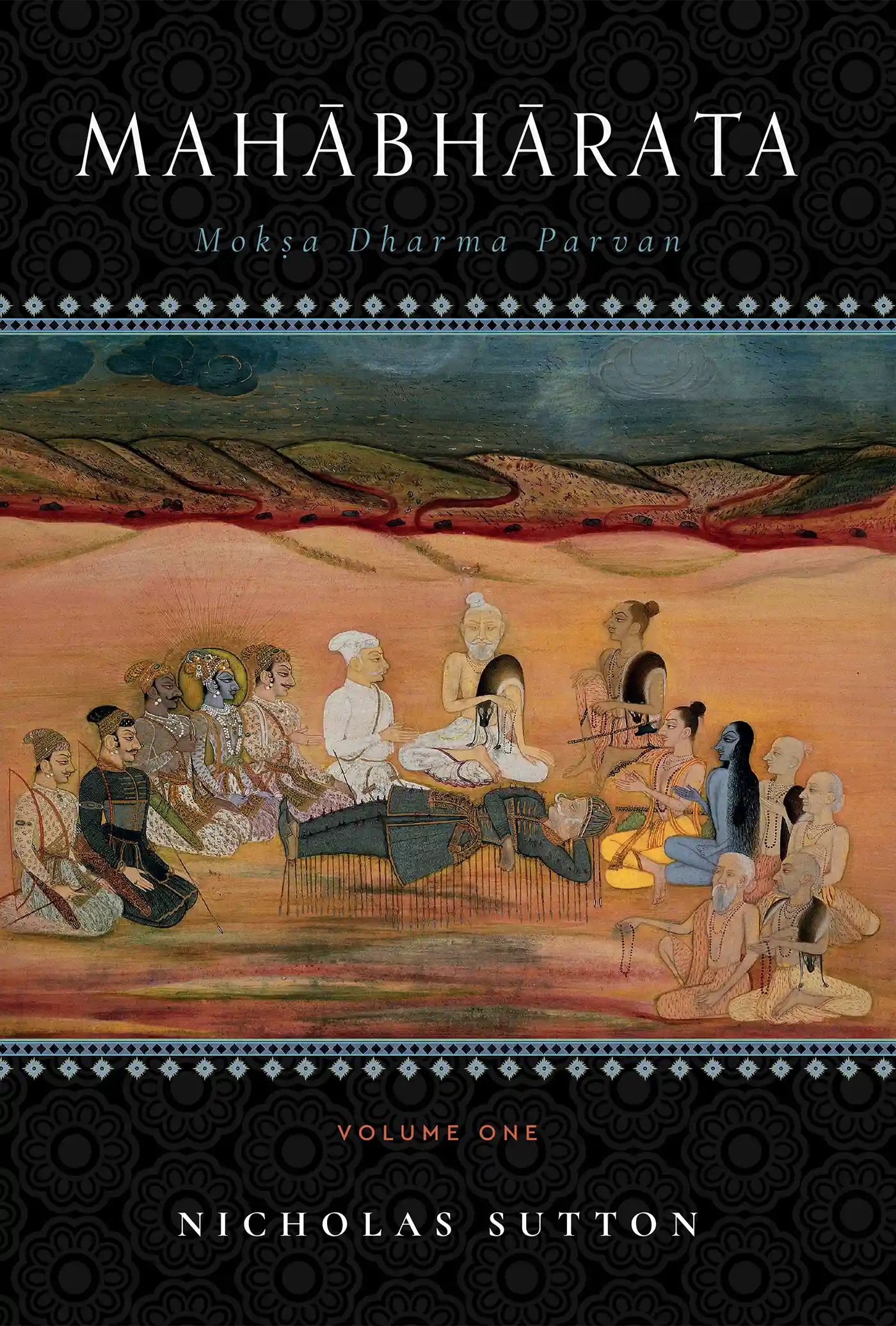
A complete translation and study of the Moksa-dharma-parvan, following the Critical Edition. Its Samkhya treatises almost certainly predate the Samkhya Karika, and its passages on Yoga are probably the earliest detailed accounts of the practice we have: a Yoga of the mind, long before the body became its focus.
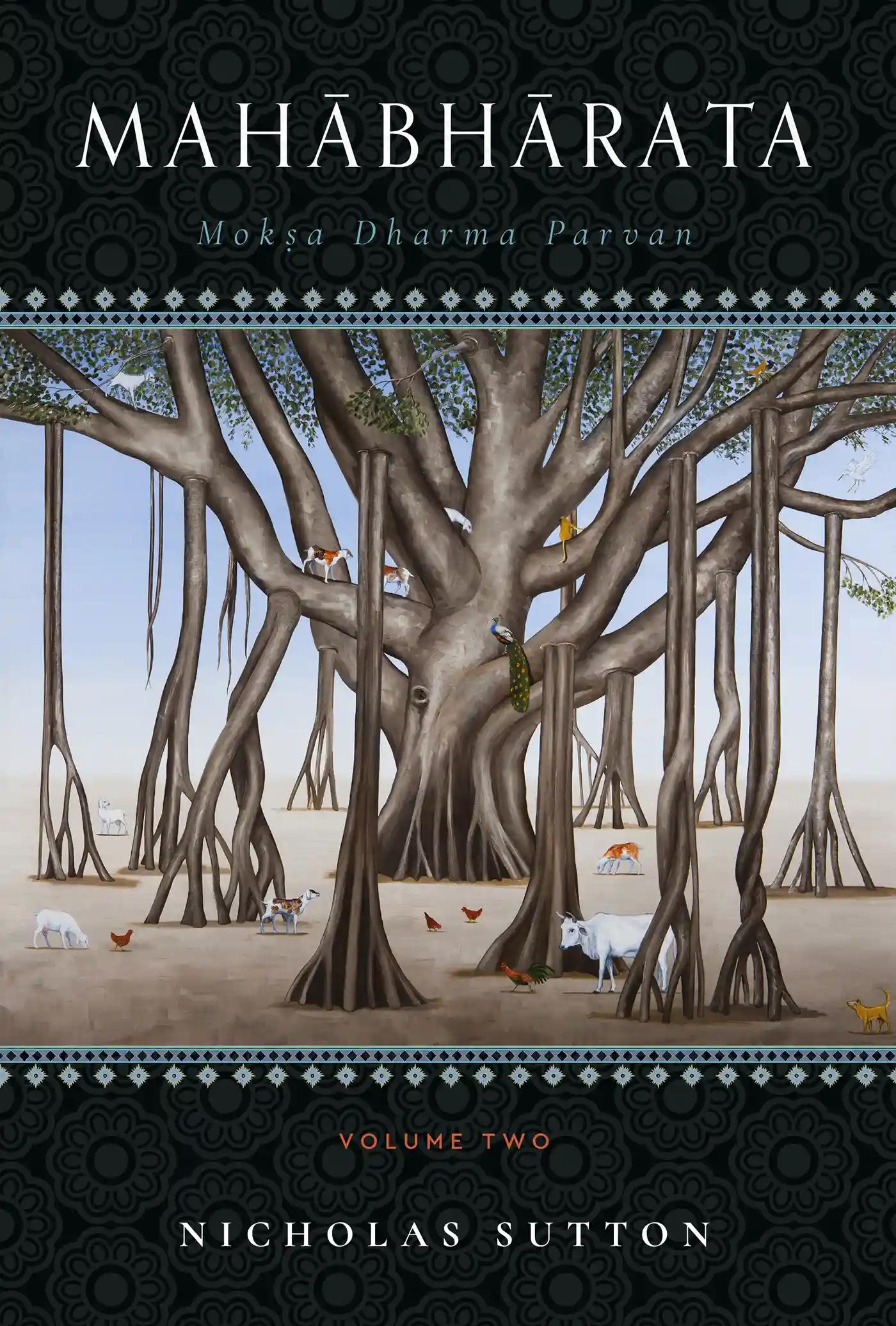
Vyasa instructs his son Shuka on time, the ages of the world, Samkhya and Yoga. Bhishma turns to dharma and ahimsa, in passages that condemn the animal sacrifice of Vedic ritual, written not by Buddhists or Jains but from within the Vedic tradition itself. Closes with Vritra, and the origin of fevers.
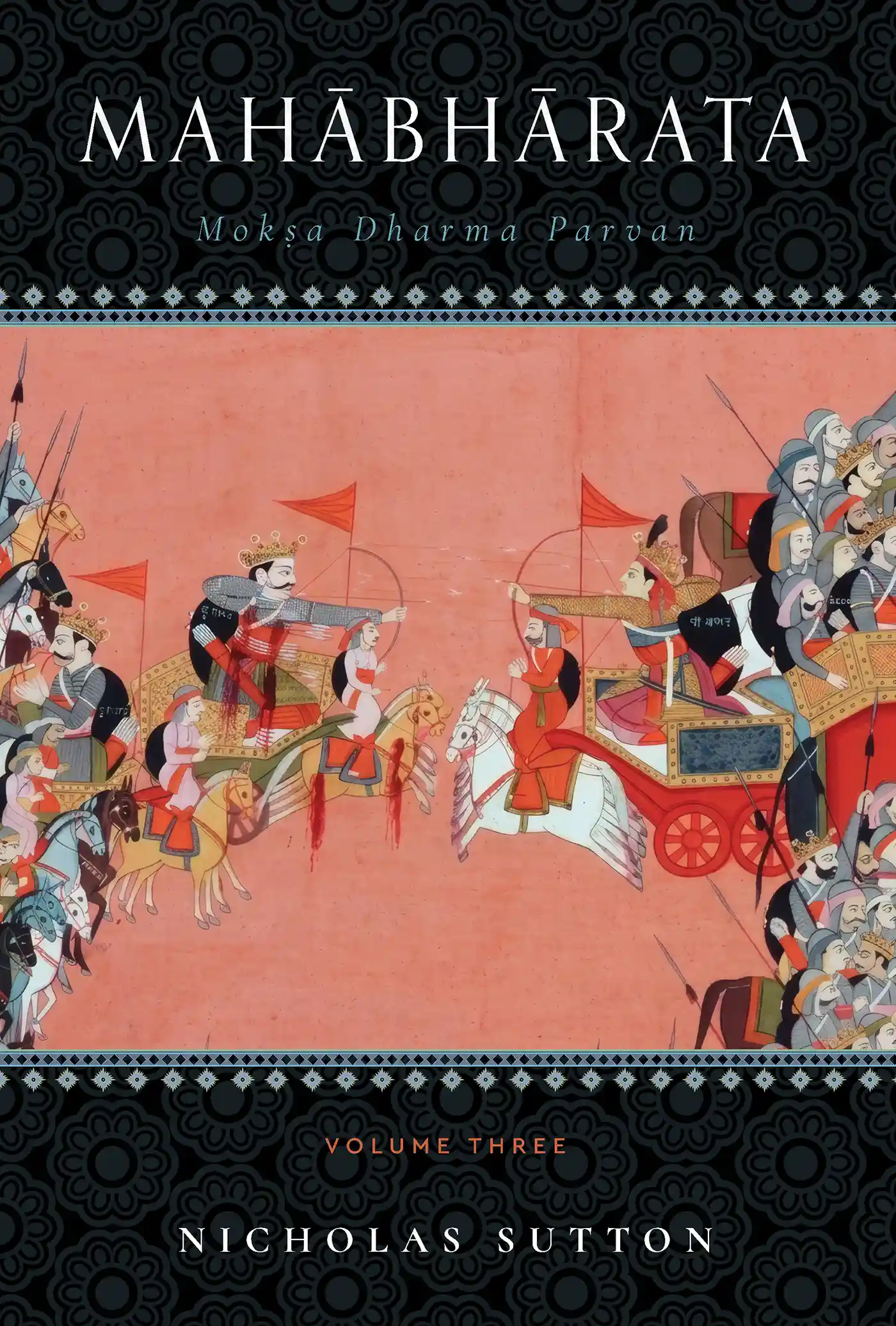
Here is the only female teacher in the whole Moksa-dharma-parvan: Sulabha, who silences King Janaka’s boasts of spiritual perfection and answers his criticism of her gender by arguing that one who truly understands does not see others as men or women. These treatises are also strikingly non-theistic describing liberation through one’s own effort, not divine grace.
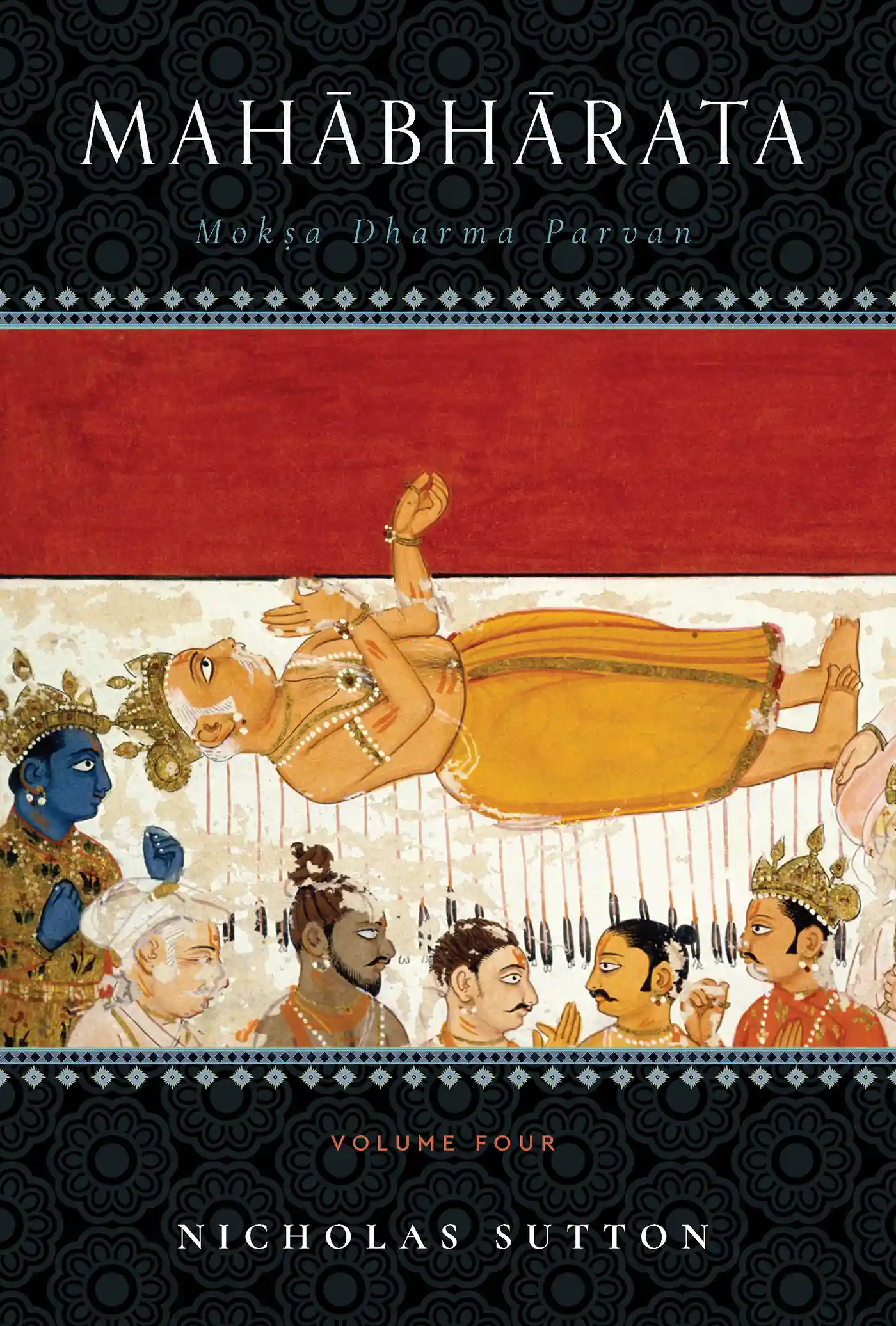
The fourth and final volume. Three unusual pieces close the work: Shuka’s travels among teachers; a Brahmin who finds the highest dharma in living on what the forest provides; and the Narayaniya, longer than the Bhagavad Gita, an early statement of Vaishnava monotheism.
Study the same material with video lectures, structured lessons, and feedback from the scholars themselves.
Browse All Courses